Category: Health Care

  • Blue Cross and Blue Shield of Texas Awards $1.8 Million in 2021 Healthy Kids, Healthy Families® Grants

    RICHARDSON, Texas — With a focus on targeting the socio-economic and social determinants of health impacts associated with the COVID-19 pandemic, Blue Cross and Blue Shield of Texas (BCBSTX) announced today the awarding of $1.8 million in Healthy Kids, Healthy Families®  grants to 28 community-based organizations statewide.

    The 2021 HKHF grantees were selected following an extensive evaluation process. And while the primary focus of the HKHF program has not changed, the COVID-19 pandemic and unrest associated with social justice initiatives in the United States reinforces BCBSTX’s focus on health equity and its core purpose to stand with its members and the communities in sickness and health.

    “This year’s grant process was especially important given the implications of the COVID-19 pandemic,” said Sheena Payne, BCBSTX’s director of Community Investments. “So, we are happy to award these grants that will support and nurture meaningful and transformational projects across Texas. Strategically, it is also important that we continue to aid community-based organizations that are directly supporting children and families who have been impacted by the health, economic, and social implications of this pandemic.”

    Since its inception in 2011, the investment strategy of the HKHF program has been predicated on four key pillars – disease prevention and management, nutrition, physical activity and safe environments.

    However, the 2021 HKHF grant cycle called for an emphasis on programs that create measurable results to address the current public health pandemic and social factors exacerbating health inequalities and social determinants of health such as lack of housing, food deserts, education and jobs and mental health.

    Towards that goal, the 2021 Healthy Kids, Healthy Families®grantees are:

    Nine years ago, the HKHF program started as a three-year initiative designed to improve the health and wellness of at least one million children through community investments. The program was extended as BCBSTX’s ongoing commitment to the health and well-being of children and families in Texas. The HKHF program has impacted the lives of millions of Texas children and families through the more than $14 million in grants awarded by BCBSTX to community organizations statewide.

    ###
  • Fort Worth Sister Cities Arranges Ambulance Donation to Toluca, MX

    The City of Fort Worth announces Fort Worth Sister Cities International and MedStar teamed up to donate a much needed ambulance to the capital city of Toluca, Mexico. Texas Health Resources added over 7000 N95 masks to the donation.

  • Fort Worth Hospital Among the First To Receive Covid19 Treatment Meds

    Fort Worth Hospital Among the First To Receive Covid19 Treatment Meds

    Limited amounts of Bamlanivimab are being sent to hospitals, including Baylor Scott & White All Saints Medical Center – Fort Worth, to be prescribed in mild and moderate COVID-19 cases, reports the Fort Worth Star Telegram.

  • TEAM CONNOR PARTNERS WITH DKMS TO HOST BONE MARROW DONOR DRIVE

    DALLAS (October 16, 2020) – TeamConnor is partnering with DKMS to host a bone marrow donor drive in an effort to match donors with patients in need of the life-saving treatment. The bone marrow donor drive will run virtually online October 19th – October 25th. 

    Anyone in good health between the ages of 18 – 55 can sign up as a potential donor. A kit can be sent to the donor’s address within three weeks with a postage paid envelope. A cheek cell sample is collected by the donor at home, and once the sample is tested, the donor will be placed in a national donor pool. Doctors search the database to find a matching donor for their patients. More information can be found at the DKMS website. 

    “My family’s journey with cancer began in 2005 when our four-year-old son, Connor, was diagnosed with neuroblastoma.” said Tait Cruse. “Connor lost his battle with cancer in July 2009 when he was just eight years old. But his legacy continues through the TeamConnor Childhood Cancer Foundation. Together, we have funded more than $3 million dollars in research grants to give pediatric cancer patients a fighting chance. Ironically, in July 2020, I was diagnosed with Acute Lymphoblastic Leukemia (ALL) and Lymphoma. Like 70% of patients with blood cancer, I do not have a perfect matching donor in my family, and there is not currently a matching donor in the national database. In fact, there are 15,000 patients, like me, currently searching for an unrelated donor.”

    DKMS is the world’s largest bone marrow and blood stem cell donor center, worldwide.

    Quick facts about the need for more donors: 

    • Every 27 seconds, someone in the U.S. is diagnosed with a blood cancer. 
    • More than 50,000 people die from blood cancer in the U.S. every year.
    • Only 30% of patients find a matching donor within their family. 
    • A bone marrow or stem cell transplant can be a lifesaving treatment for blood cancer and approximately 70 other diseases. 

    Childhood cancer is the number one disease killer of children, yet the federal government allocates less than four percent of its funds to pediatric cancer research. 

    TeamConnor will host the 10th Annual Northwestern Mutual Clay Shoot on November 2, 2020. For more information on TeamConnor events, contact Sydney Little, special events and outreach coordinator, at slittle@teamconnor.org or (972) 663-7302.  

    For more information on how to join the fight against childhood cancer, visit teamconnor.org or follow TeamConnor on  Instagram, Twitter, LinkedIn or Facebook.

    DKMS is an international non-profit organization dedicated to the fight against blood cancer. Founded in 1991 in Germany by Dr. Peter Harf, DKMS has expanded internationally by establishing entities in the US, Poland, the UK, Chile, together with BMST in India and in South Africa together with The Sunflower Fund partnered by DKMS. Together, they have registered more than 10.7 million potential blood stem cell donors and have given more than 87,000 patients across the globe a second chance at life by facilitating blood stem cell transplants.

  • Suicide Prevention Goes Virtual in Texas Together Event This Saturday

    The American Foundation for Suicide Prevention is modifying their Out of Darkness Walk to a state-wide, all day virtual event on October 17th.

  • HSC researchers receive $45 million federal grant to study health disparities in Alzheimer’s disease among Mexican Americans

    Researchers at HSC Fort Worth were awarded a grant expected to total $45 million from the National Institute on Aging, part of the National Institutes of Health, to expand innovative research into Alzheimer’s disease and the biological differences that cause the disease to disproportionately afflict Mexican Americans.

    The 5-year research grant, awarded to Sid O’Bryant, PhD, Professor and Executive Director of the Institute for Translational Research, and Leigh Johnson, PhD, Associate Professor and Associate Director, is the largest research award ever received by The University of North Texas Health Science Center at Fort Worth.

    “This is a transformative award for our university,” HSC President Dr. Michael Williams said. “HSC is recognized as a national leader in the quest to unlock the mysteries of Alzheimer’s disease and to discover new interventions to help prevent this deadly disease.”

    Drs. O’Bryant and Johnson seek to understand the biological framework of Alzheimer’s disease in multi-ethnic populations and how it differs from that of non-Latino whites. For example, Mexican Americans develop Alzheimer’s disease 10 years earlier than whites. However, most of the Alzheimer’s research focuses on Non-Latino whites.

    The new funding will build off the HABLE study, a five-year project at HSC that Dr. O’Bryant started in 2017 and is funded by a $12 million National Institutes of Health grant. Almost 1,000 Mexican Americans and 1,000 non-Latino whites over 50 from North Texas have enrolled in the study into how different biological causes relate to Alzheimer’s disease across ethnicities.

    HABLE participants undergo free comprehensive interviews, functional exams, clinical laboratory tests, a brain MRI and more.

    With the new funding HSC will create a state-of-the-art imaging center in the Institute for Translational Research where the ITR team will perform two PET Scans on every HABLE participant to look for beta amyloid or tau proteins, which are biomarkers for Alzheimer’s. Two years later, each participant will undergo two more PET Scans for comparison of how the proteins have progressed.

    The scans will allow researchers to observe the differences in Mexican Americans and non-Latino whites. Preliminary data suggests that beta amyloid protein differs significantly in prevalence between the two ethnicities, Dr. O’Bryant said.

    “This is the first of its kind, large-scale, longitudinal study of the biological framework of Alzheimer’s in community-dwelling and multi-ethnic populations,” Dr. O’Bryant said. “We know from looking at new treatments for cancer and diabetes that understanding the biology of the disease is critically important to the development of novel, effective therapeutic interventions.”

    Mexican Americans represent the fastest growing aging population in the country. It is estimated that 1 million Mexican Americans will be diagnosed with Alzheimer’s Disease by 2030.

    While novel interventions may be years away, HABLE program participants may benefit immediately from medical information gathered. Participants can request the results of the comprehensive medical exams are shared with their health care providers to help guide their current medical decisions.

    Because the new imaging center where participants will undergo PET scans is on the HSC campus, the HABLE project team won’t have to refer participants out to private imaging centers for the valuable but costly scans.

    “Very few laboratories in the county will have the imaging capability that the Institute for Translational Research will have at HSC,” Dr. O’Bryant said.

    All data recorded through the study will be shared publicly with the scientific community throughout the duration of the project to aid other investigators in their quest for Alzheimer’s breakthroughs, Dr. Johnson said.

    Dr. O’Bryant also is overseeing the first study of a blood test to detect Alzheimer’s disease within a primary care setting. That study underway at HSC, is funded by a separate $6.5 million study funded by NIA.

    The HABLE projects are funded by NIA grants R01AG058533-01A1 and R01AG054073.

  • California Blocks Nonprofit Hospital Mergers, Are We Next?

    Fort Worth Star Telegram reports – Legislation is being introduced to block the mergers and acquisitions of both for and non profit hospitals that could lead nationwide.

  • The Caring Foundation provides free back to school vaccines

    NBC 5 reports on locations and details on Blue Cross Blue Shield sponsored Caring Foundation free immunizations.

  • UT Southwestern, Texas Health launch collaborative study to better understand COVID prevalence in DFW

    DALLAS – July, 10, 2020 – SARS-CoV-2, the virus that causes COVID-19, has infected more than 3 million people in the U.S. and more than 12 million worldwide, resulting in more than 550,000 deaths. Despite the high number of confirmed cases, the true prevalence of COVID-19 infections is believed to be underestimated due to insufficient testing capacity and a high percentage of asymptomatic people. As of July 9, there have been about 230,000 confirmed COVID-19 cases in Texas, including nearly 30,000 in Dallas County and more than 16,000 in Tarrant County.

    A major challenge to containing the spread of COVID-19 is a shortage of information about where the virus is spreading and why certain populations are affected more than others. To gain a better picture of the unfolding pandemic in Dallas and Tarrant counties, researchers at UT Southwestern Medical Center and Texas Health Resources will conduct what is expected to be one of the nation’s largest studies on community prevalence of COVID-19 by testing tens of thousands of people who represent a cross-section of the North Texas population.

    “The DFW COVID-19 Prevalence Study will provide vitally important insights into the distribution and spread of COVID-19 throughout our community,” said Daniel K. Podolsky, M.D., President of UT Southwestern. “A deeper understanding of who is most exposed and how the virus is spreading will help policy makers as well as civic and business leaders to formulate effective mitigation and containment strategies and highlight where we have opportunities to improve the health of local communities through equitable public health strategies. We are deeply grateful to all community members and supporters who have committed to help us advance this critical research.”

    The DFW COVID-19 Prevalence Study aims to enroll approximately 45,000 Dallas and Tarrant County residents from across the entire spectrum of diversity in our community, as well as occupations at higher risk for exposure such as grocery store and airline employees. The range of socioeconomic status as well as diverse racial and ethnic communities will be surveyed and tested for active COVID-19 infection and evidence of past infection, then followed over time to provide insights into how individuals’ immune responses evolve and how hot spots emerge in the community.

    UT Southwestern, the region’s top academic medical center, will collaborate with Texas Health Resources, the health system that cares for more patients than any other provider in North Texas, to set up testing sites across both counties.

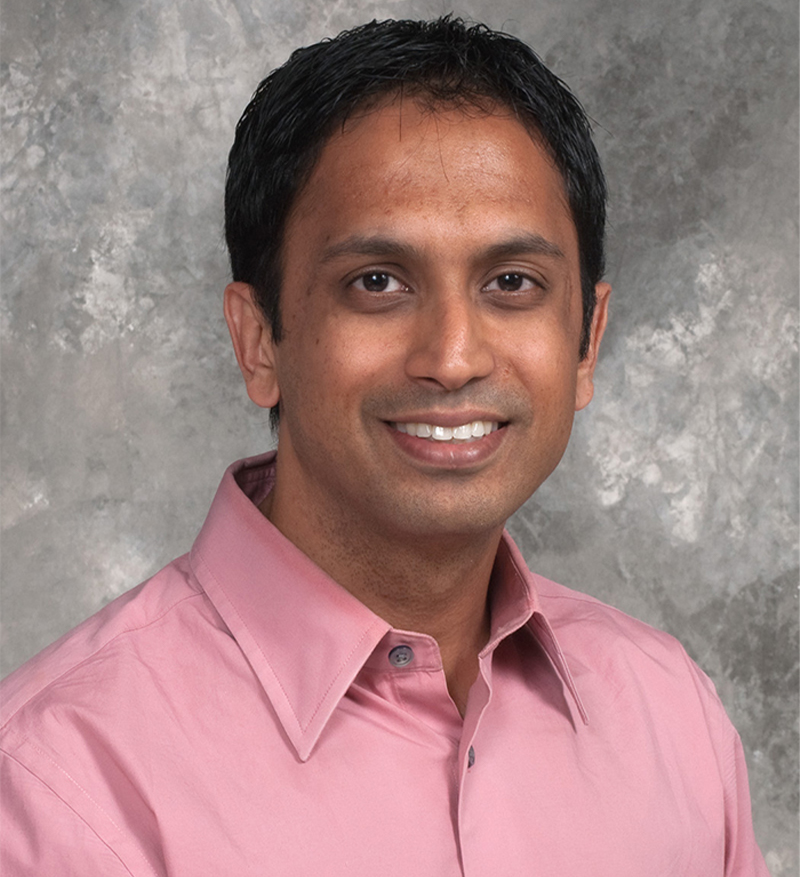
    “We want to learn more about the disease in every way we can, and the best way to do that is by harnessing the power of our two organizations,” said Barclay Berdan, CEO of Texas Health. “Together, we can conduct scientifically strong research and use the information generated to help with the prevention and treatment of this disease here in DFW as well as for communities throughout the country.”Amit Singal, M.D.
    Amit Singal, M.D., Associate Professor of Internal Medicine and Population and Data Sciences who is Principal Investigator for the study.

    The study is being supported by funds from both Dallas and Tarrant counties and the cities of Dallas and Fort Worth as well as members of the business and philanthropic communities together with the collaborating organizations – UT Southwestern and Texas Health Resources.

    “We need to better understand the exposure of COVID-19 in our local communities so we can better intervene, limit its spread, and save lives,” said Amit Singal, M.D., Associate Professor of Internal Medicine and Population and Data Sciences who is Principal Investigator for the study. “Dallas and Tarrant counties are incredibly diverse. We have carefully designed our study to specifically characterize COVID-19 exposure across many of the racial, ethnic and socioeconomic groups that comprise this region.”

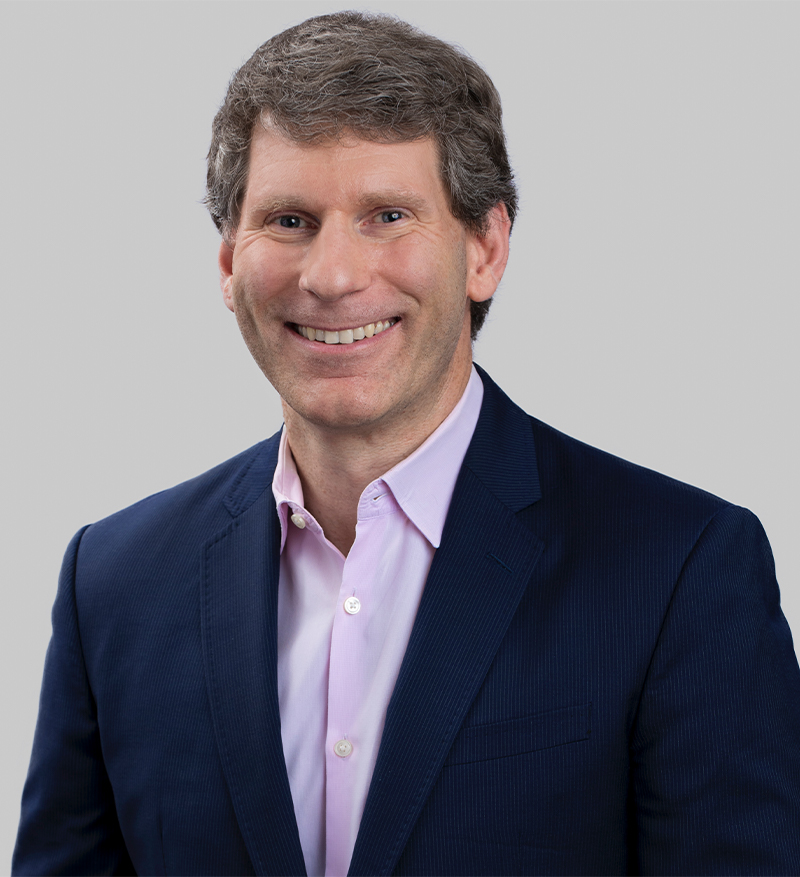
    The study will recruit equal numbers of participants across Dallas and Tarrant Counties’ three most common racial/ethnic groups – non-Hispanic white, non-Hispanic black, and Hispanic – to represent the community’s diversity and spectrum of COVID-19 related risk factors.Andrew Masica, M.D.
    Andrew Masica, M.D., Chief Medical Officer of Reliable Health for Texas Health and study co-principal investigator.

    “A major concern about COVID-19 is that the virus impacts certain groups differentially, and that’s why we’re so committed to this initiative. We want to use insights from the study to help address these disparities and guide actions to promote health across the diverse population we serve,” said Andrew Masica, M.D., Chief Medical Officer of Reliable Health for Texas Health and study co-principal investigator. “Conducting this type of participatory research across the extended DFW community is fully aligned with the mission of the UTSW-Texas Health collaboration as a regional health network.”

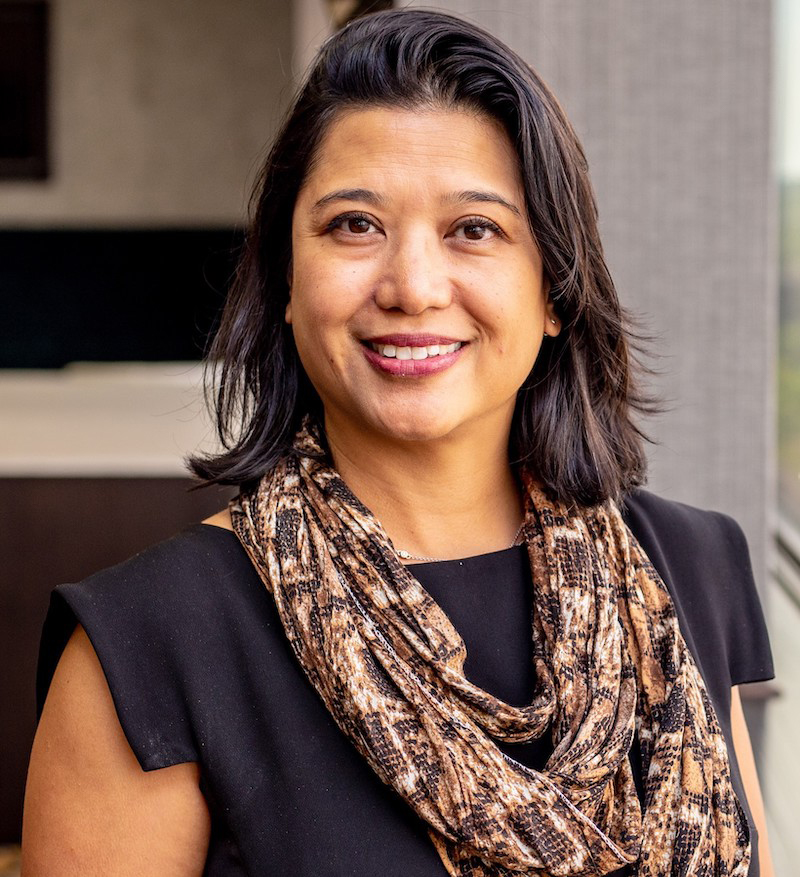
    A mailed study invitation letter will be sent to randomly selected, 30,000 Dallas and Tarrant county households in selected geographic areas. Separately, the study will examine the prevalence of COVID-19 infection among occupation groups at higher risk of being exposed to the disease. Approximately 14,000 subjects from various industries in both Dallas and Tarrant counties will be included for data collection.Jasmin Tiro, Ph.D.
    Jasmin Tiro, Ph.D., a co-investigator and an associate professor of population and data sciences at UT Southwestern

    “Time is of the essence given the significant impact that COVID has already had on the U.S. population including our local communities in Dallas and Tarrant Counties,” said Jasmin Tiro, Ph.D., a co-investigator and an associate professor of population and data sciences at UT Southwestern. “We are collaborating with many community organizations and leaders to get the word out about this extremely important study and help encourage invited residents to step up and participate. Our goal is to rapidly recruit all participants in five months.”

    As recruitment progresses, interim data will be analyzed by the study team; the collaborating institutions will provide updates to area stakeholders and government officials to help guide policy planning.

    About UT Southwestern Medical Center

    UT Southwestern, one of the premier academic medical centers in the nation, integrates pioneering biomedical research with exceptional clinical care and education. The institution’s faculty has received six Nobel Prizes, and includes 24 members of the National Academy of Sciences, 16 members of the National Academy of Medicine, and 13 Howard Hughes Medical Institute Investigators. The full-time faculty of more than 2,500 is responsible for groundbreaking medical advances and is committed to translating science-driven research quickly to new clinical treatments. UT Southwestern physicians provide care in about 80 specialties to more than 105,000 hospitalized patients, nearly 370,000 emergency room cases, and oversee approximately 3 million outpatient visits a year.

    About Texas Health Resources

    Texas Health Resources is a faith-based, nonprofit health system that cares for more patients in North Texas than any other provider. With a service area that consists of 16 counties and more than 7 million people, the system is committed to providing quality, coordinated care through its Texas Health Physicians Group and 27 hospital locations under the banners of Texas Health Presbyterian, Texas Health Arlington Memorial, Texas Health Harris Methodist and Texas Health Huguley. Texas Health access points and services, ranging from acute-care hospitals and trauma centers to outpatient facilities and home health and preventive services, provide the full continuum of care for all stages of life. The system has more than 4,000 licensed hospital beds, 6,200 physicians with active staff privileges and more than 23,000 employees. For more information about Texas Health, call 1-877-THR-WELL, or visit www.TexasHealth.org

  • Mental Health resources not meeting increased demand

    KERA reports on the increased depression and anxiety caused during the Covid19 pandemic, and the challenges for those needing assistance to receive it.